


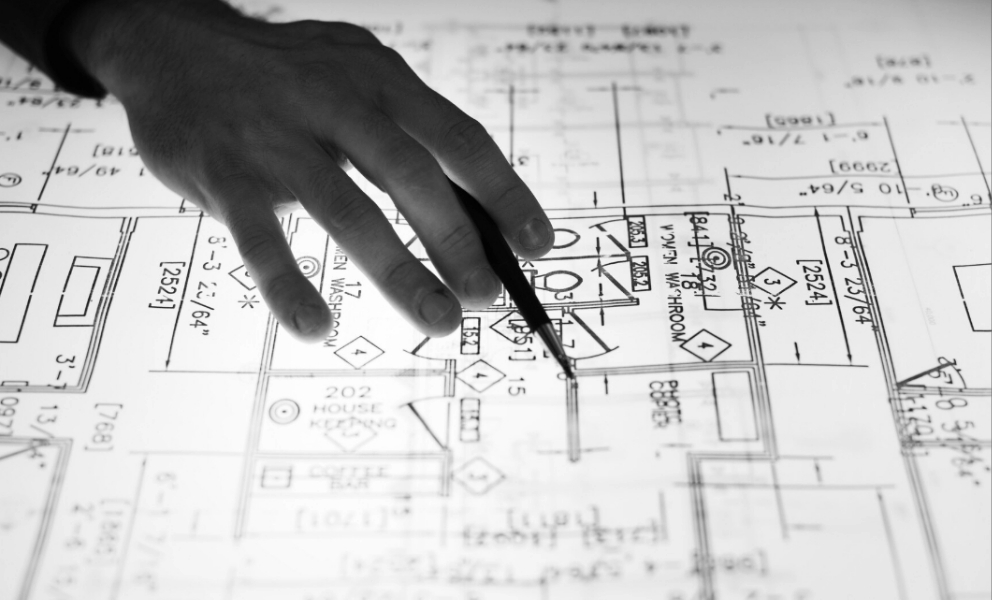
Civil engineering is the backbone of all modern infrastructure. From buildings and bridges to roads and water systems, every structure relies on strong engineering principles and strict building codes. Understanding these concepts helps students, professionals, and aspiring engineers create safer, stronger, and more efficient designs. Our guide simplifies core civil engineering concepts and explains the importance of building codes used across the industry.
1. Core Civil Engineering Concepts
Civil engineering is built on a combination of scientific understanding, analytical reasoning, and practical application. Here are the essential concepts every learner must grasp:
● Structural Behavior
Understanding how loads, forces, and stresses act on a structure is at the heart of civil engineering. Concepts like bending moments, shear forces, axial forces, and deflection help engineers predict how structures behave under different conditions.
● Material Properties
Every structure depends on materials, and each material behaves differently. Key material concepts include:
- Strength and durability
- Elasticity and plasticity
- Modulus of elasticity
- Tensile and compressive strength
Materials such as concrete, steel, timber, and masonry must be selected based on load demands and environmental conditions.
● Soil Mechanics
The ground beneath a structure determines its stability. Engineers study:
- Soil bearing capacity
- Settlement
- Shear strength
- Water table effects
Without understanding soil behavior, no safe foundation design is possible.
● Load Calculations
Loads such as dead loads, live loads, wind loads, seismic forces, and environmental loads must be calculated accurately to ensure structural safety. Each structure requires a unique approach depending on location, usage, and height.
● Surveying & Measurements
Surveying forms the first step of construction. Engineers learn how to measure land, levels, and angles using tools like total stations, theodolites, and GPS systems.
● Project Planning & Management
Successful construction requires proper scheduling, budgeting, resource management, and site safety. Tools like MS Project, Primavera, and BIM help streamline workflow.
2. Importance of Building Codes
Building codes ensure that structures are designed and built safely, efficiently, and sustainably. They are not just guidelines—but legally required standards followed worldwide.
● What Are Building Codes?
Building codes are standardized rules that define minimum requirements for safety, structural performance, materials, fire protection, and environmental impact. They guide the design, construction, and maintenance of all buildings and civil structures.
● Why Engineers Must Follow Codes
- Ensure safety against collapse
- Improve structural durability
- Standardize design methods
- Reduce construction errors
- Comply with government regulations
- Protect life, property, and environment
Codes are updated frequently to match new research, technologies, and disaster-resistant design practices.
● Common Building Codes & Standards
Depending on the region, different codes are followed:
Civil / Structural Engineering Codes
- IS Codes (India)
- AS/NZS Standards (Australia/New Zealand)
- ACI (American Concrete Institute)
- AISC (American Institute of Steel Construction)
- Eurocode (Europe)
Special Codes
- Earthquake design codes
- Fire safety codes
- Load calculation standards
- Environmental and sustainability guidelines
Each code provides detailed formulas, safety factors, design steps, and construction requirements.
3. Applying Concepts & Codes Together
Real engineering happens when theory meets standards. Engineers must:
- Calculate loads based on concepts
- Apply correct formulas from building codes
- Choose materials suitable for the structure
- Perform detailed design
- Prepare drawings according to code guidelines
- Follow site supervision and quality control procedures
This integration ensures every structure is safe, economical, and efficient.
Final Thoughts
Civil engineering is a blend of strong concepts and strict building codes. Mastering both allows students and professionals to design structures with confidence. Whether you’re learning basics or working on advanced projects, staying updated with engineering principles and building standards is key to success.